
The music industry has undergone significant transformations over the years, from vinyl records to cassette tapes, CDs, and now, the digital era. However, along with these changes, the battle against piracy has been a constant struggle for artists and creators. With the advent of digital music streaming, the industry found a way to monetize music while combating piracy. Nevertheless, a new threat has emerged in the form of AI-generated pilferage, posing fresh challenges to the music ecosystem.

The Rise of Digital Music Streaming
In recent years, digital music streaming platforms have revolutionized the way we consume music. Services like Spotify, Apple Music, and Amazon Music have gained immense popularity, offering users access to an extensive library of songs at their fingertips. These platforms have not only made music more accessible but have also become a significant source of revenue for artists and record labels.
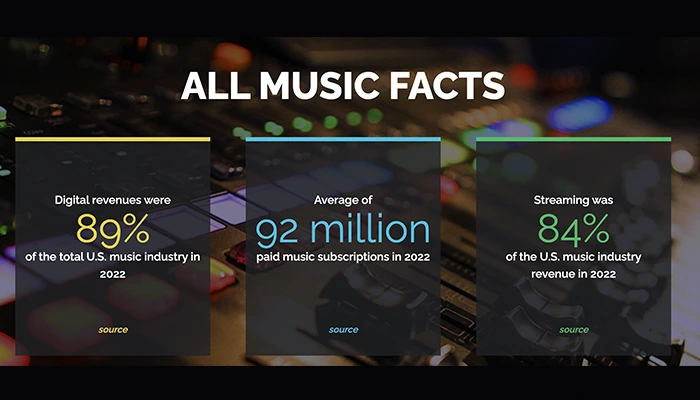
In 2022, the recorded music revenues in the U.S. continued to soar, reaching a record high of $15.9 billion at estimated retail value. Streaming, in particular, has played a pivotal role in this growth. Paid subscriptions, ad-supported formats, and emerging platforms have driven the industry’s financial success. As consumers increasingly opt for legal streaming services, it appeared that the battle against piracy was being won.

The Persistent Threat of Piracy.
However, as the saying goes, “Where there’s a will, there’s a way.” Despite the availability of legal and convenient streaming platforms, piracy has not been eradicated entirely. Unlicensed websites and file-sharing networks still exist, providing free access to copyrighted music. Even though the music industry has made significant strides in fighting piracy, new challenges have emerged.
AI-Generated Piracy: A New Challenge
One such challenge is AI-generated piracy, which exploits the capabilities of artificial intelligence to create convincing replicas of original songs. These AI-generated tracks are often indistinguishable from the originals, making it difficult for listeners and platforms to detect them. This new form of piracy threatens the revenue streams of both artists and streaming services.
The Role of Informal Platforms
Informal and unregulated platforms have become breeding grounds for AI-generated pirated music. These platforms often operate beyond the reach of copyright enforcement, allowing pirates to upload and distribute unauthorized content. Unlike established streaming services, which employ advanced content recognition technology, informal platforms lack the means to combat AI-generated pilferage effectively.
The Impact on Artists and Creators
The consequences of AI-generated piracy are far-reaching. For artists and creators, it means potential loss of income, as these pirated tracks compete with legitimate releases. This can be especially detrimental to emerging artists who rely on streaming revenue to sustain their careers. Furthermore, it undermines the value of original music and discourages investment in new talent.
The Response to AI-Generated Piracy
To combat the growing threat of AI-generated piracy, the music industry must adapt and innovate. This includes enhancing content recognition technology to detect pirated content effectively. Additionally, legal measures may need to be strengthened to hold informal platforms accountable for hosting copyrighted material without authorization.
Conclusion
While digital music streaming has provided a legal and profitable avenue for artists and creators, the battle against piracy is far from over. The rise of AI-generated pilferage poses a new and complex challenge to the music industry. To safeguard the future of music, stakeholders must work together to develop innovative solutions and ensure that artists are compensated for their creative endeavors. Only by staying ahead of the curve can the industry continue to thrive in the digital age.
Source: The Recording Industry Association of America®
https://www.riaa.com/facts/